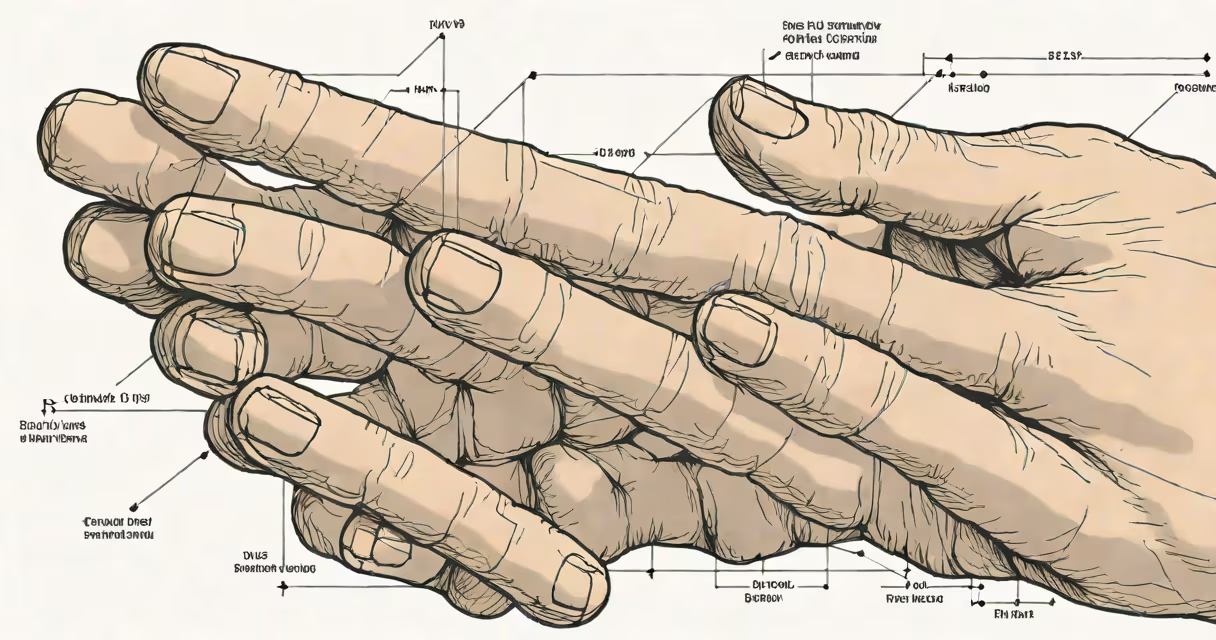
Finger tip numbness results from disrupted nerve signals to the fingertips, commonly due to pressure on nerves, underlying medical conditions, or injury. It may affect one or multiple fingers and can be temporary or persistent.
The sensation typically arises when nerves in the arm or hand are compressed, damaged, or irritated. The most frequent culprits include compression of the median nerve (carpal tunnel syndrome), ulnar nerve entrapment (cubital tunnel syndrome), or systemic issues like diabetes-related peripheral neuropathy. Numbness may occur suddenly during repetitive hand use or gradually worsen over weeks.
Nerves transmit sensory information from the skin to the brain. When a nerve is pinched, inflamed, or degenerating, signals get distorted or blocked. This leads to numbness, tingling, or burning sensations in the affected area.
For example, the median nerve runs through the carpal tunnel in the wrist. Repetitive motions like typing or using a mouse can compress it, leading to numbness in the thumb, index, middle, and part of the ring finger. Symptoms often worsen at night or after prolonged hand use.
Similarly, the ulnar nerve passes through the cubital tunnel near the elbow. Leaning on the elbow or bending the arm repeatedly can irritate it, causing numbness in the little finger and half of the ring finger. This condition is known as cubital tunnel syndrome.
Several distinct patterns of numbness correspond to specific nerves and locations:
| Nerve Involved | Affected Fingers | Common Cause | Typical Symptoms |
|---|---|---|---|
| Median nerve | Thumb, index, middle, half-ring | Carpal tunnel syndrome | Numbness, tingling, weakness in grip |
| Ulnar nerve | Little finger, half-ring | Cubital tunnel syndrome | Tingling, pain on inner elbow, claw-like hand posture |
| Radial nerve | Back of hand, thumb side | Compression from pressure or trauma | Numbness on dorsal surface, weak wrist extension |
Systemic diseases also contribute. Diabetes is a leading cause of peripheral neuropathy, which damages nerves throughout the body. People with poorly controlled blood sugar report numbness in both hands and feet, often described as "socks and gloves" distribution.
Other causes include vitamin B12 deficiency, autoimmune disorders like lupus or rheumatoid arthritis, and cervical spine issues. A herniated disc in the neck can compress nerves that travel down the arm, resulting in numbness in the fingers even without hand strain.
Some cases of finger tip numbness stem from conditions that don't involve direct nerve compression. For example, Raynaud's phenomenon causes blood vessels in the fingers to spasm, reducing circulation and leading to cold, pale, numb fingers-often triggered by stress or cold exposure.
Another overlooked cause is thoracic outlet syndrome, where nerves and blood vessels between the collarbone and first rib are compressed. Symptoms include numbness in the ring and little fingers, along with arm fatigue and weakness, especially during overhead activities.
Sudden numbness in one hand-especially if accompanied by facial droop, slurred speech, or confusion-can signal a stroke. While rare, this requires immediate emergency care. The American Stroke Association notes that sensory changes in limbs are among the early warning signs of ischemic stroke.
I once worked with a software developer who reported numbness in his right hand after eight-hour coding sessions. He described a "pins-and-needles" feeling in his thumb and index finger, worsening at night. His doctor diagnosed carpal tunnel syndrome based on physical tests and nerve conduction studies.
After wearing a wrist splint at night and modifying his keyboard setup, symptoms improved within six weeks. This case illustrates how repetitive motion contributes to nerve compression-and how early intervention prevents chronic issues.
Many assume finger numbness always stems from poor posture or "sleeping on the arm." While transient numbness from positioning is common, persistent or recurring numbness indicates a deeper issue. The nervous system doesn't recover quickly from ongoing irritation.
Another misconception is that numbness only affects older adults. In reality, younger people-especially those in tech, construction, or music-experience it frequently due to repetitive strain. A 2021 study in Neurology found that 14% of adults aged 20-49 reported hand numbness, with computer use as a significant factor.
Also, people often ignore mild numbness until it interferes with daily tasks. But nerve damage can progress silently. The National Institute of Neurological Disorders and Stroke warns that untreated nerve compression may lead to irreversible muscle weakness and loss of fine motor control.
Consult a healthcare provider if numbness lasts longer than a few days, returns regularly, or spreads beyond the fingertips. Red flags include:
Diagnostic tools include nerve conduction studies, electromyography (EMG), MRI for spinal issues, and blood tests to check for diabetes, B12 levels, or autoimmune markers.
Understanding the cause of finger tip numbness enables timely action. Ignoring it risks permanent nerve damage. Identify the pattern, track triggers, and consult a specialist if symptoms persist.