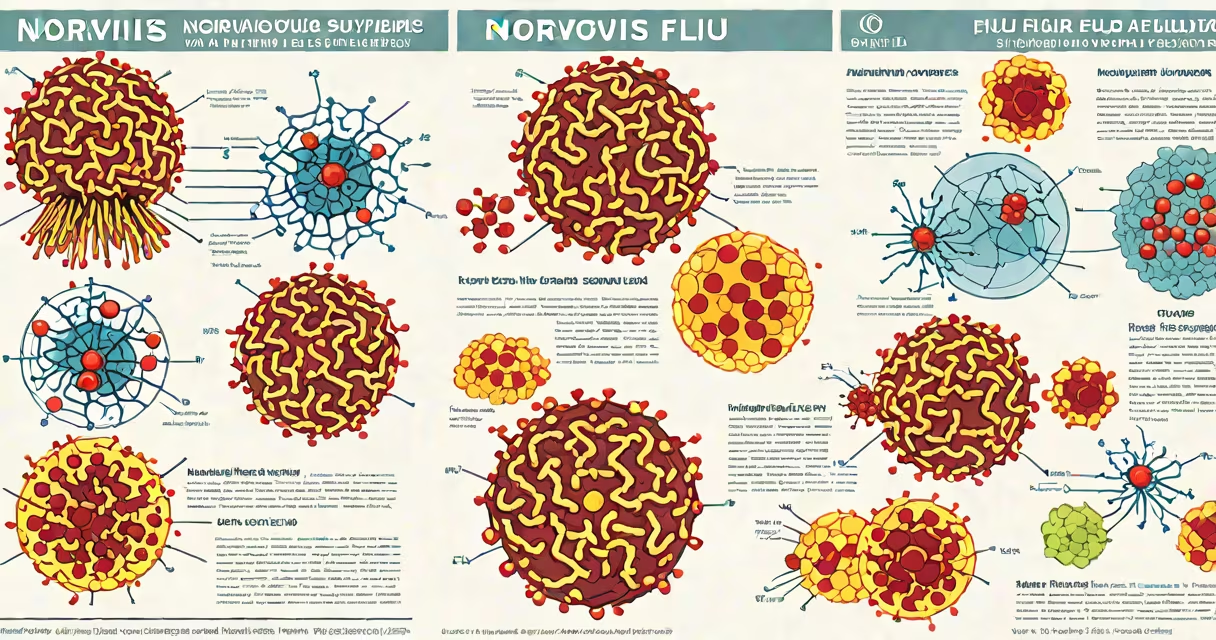
Norovirus and flu are distinct viruses that cause acute illnesses but affect different body systems. Norovirus triggers intense gastrointestinal symptoms like vomiting and diarrhea, while flu causes respiratory issues such as fever, cough, and body aches. The two are often confused due to overlapping onset timing and high contagion rates, but their transmission routes, incubation periods, and symptom profiles differ.
Both viruses spread through close contact and contaminated surfaces, but norovirus spreads primarily via fecal-oral route-often through contaminated food, water, or touching infected surfaces. Flu spreads mainly through respiratory droplets when an infected person coughs or sneezes. Norovirus is stable on surfaces for days and resistant to many common disinfectants, making outbreaks common in closed environments like cruise ships, schools, and nursing homes. Flu spreads more easily in colder months and peaks during winter, especially in temperate climates.
Incubation periods differ too. Norovirus typically shows symptoms within 12 to 48 hours after exposure, with illness lasting 1 to 3 days. Flu incubates in 1 to 4 days and lasts 5 to 7 days, though fatigue may persist longer. Recovery from norovirus is usually rapid, but dehydration from fluid loss is a serious risk, particularly in young children and older adults. Flu can lead to pneumonia, hospitalization, or death in vulnerable populations, especially those with chronic conditions.
When norovirus enters the body, it infects cells lining the small intestine, disrupting nutrient absorption and causing rapid fluid secretion into the gut. This leads to explosive diarrhea and forceful vomiting. The virus replicates quickly-within hours-and is shed in large quantities in stool and vomit, even after symptoms resolve. A single gram of infected stool can contain enough virus particles to infect thousands of people.
Influenza virus targets respiratory epithelial cells in the nose, throat, and lungs. It binds to sialic acid receptors on host cells, hijacks cellular machinery to replicate, and releases new viral particles that spread to neighboring cells. This triggers inflammation, mucus production, and immune responses that manifest as fever, chills, sore throat, and muscle pain. Severe cases involve secondary bacterial infections or cytokine storms, which can overwhelm the immune system.
A key difference lies in the immune response. Norovirus evades detection by altering surface proteins and suppressing early interferon signaling. This allows it to establish infection before the adaptive immune system mounts a defense. Flu virus also mutates rapidly-antigenic drift and shift-which enables seasonal reinfections and necessitates annual vaccine updates.
While both illnesses begin suddenly, their symptom profiles diverge sharply. Norovirus presents with watery diarrhea (averaging 6-10 episodes per day), frequent vomiting, nausea, abdominal cramps, and low-grade fever. Patients often describe a "cramping" sensation in the lower abdomen. Dehydration signs-sunken eyes, dry mouth, dizziness-appear quickly, especially in infants and elderly individuals.
Flu symptoms include high fever (≥100.4°F/38°C), dry cough, sore throat, headache, muscle aches, and fatigue. Joint pain and eye sensitivity are common. Unlike norovirus, flu rarely causes diarrhea unless in children. A study published in The Lancet Infectious Diseases found that 82% of flu patients reported muscle pain, compared to only 12% of norovirus cases.
| Feature | Norovirus | Flu |
|---|---|---|
| Primary site of infection | Small intestine | Respiratory tract |
| Onset time | 12-48 hours | 1-4 days |
| Duration | 1-3 days | 5-7 days |
| Common symptoms | Vomiting, diarrhea, cramps | Fever, cough, body aches |
| Dehydration risk | High | Moderate |
Outbreaks of norovirus occur frequently in confined spaces where hygiene lapses happen. In 2022, the CDC reported 15 outbreaks on U.S. cruise ships linked to norovirus, affecting over 1,200 passengers and crew. Transmission occurs when someone touches a contaminated surface-like a doorknob or handrail-then touches their mouth. The virus survives on stainless steel for up to 14 days and resists standard cleaning agents.
Flu spreads most efficiently in crowded indoor settings during fall and winter. Schools, workplaces, and healthcare facilities report spikes in cases. Airborne transmission accounts for ~60% of flu spread, according to research from the National Institute of Allergy and Infectious Diseases. An infected person can transmit the virus up to 24 hours before showing symptoms.
A notable distinction: norovirus is not airborne. It cannot travel through air currents. You must touch a contaminated surface or ingest contaminated food to become infected. This makes handwashing the most effective prevention method. Alcohol-based sanitizers reduce norovirus load by 90%, but only if used correctly-most people fail to rub hands for the recommended 20 seconds.
"Stomach flu" is a misnomer. It's not related to influenza. The term persists because both illnesses start abruptly and cause discomfort, but they are caused by entirely different pathogens. Influenza is a respiratory virus; norovirus is a gastrointestinal pathogen. Using "stomach flu" to describe norovirus spreads misinformation and delays proper treatment.
Another misconception is that norovirus only affects the young or elderly. While those groups are at higher risk for complications, healthy adults can contract and spread the virus. In a 2021 outbreak at a university dining hall, 43% of affected students were aged 18-24, and 89% had eaten at the same cafeteria within 24 hours of symptom onset.
There is no vaccine for norovirus. Scientists have identified multiple strains (GII.4 being dominant), but antigenic variation prevents long-term immunity. In contrast, flu vaccines are updated annually based on global surveillance from the World Health Organization. The CDC estimates flu vaccination reduced hospitalizations by 40% during the 2021-2022 season.
Treatment for norovirus focuses on hydration. Oral rehydration solutions (ORS) containing glucose and electrolytes are recommended. Avoid caffeine, alcohol, and sugary drinks, which worsen fluid loss. Antibiotics are ineffective-viruses don't respond to them. Most people recover without medical intervention.
For flu, antiviral medications like oseltamivir (Tamiflu) are prescribed within 48 hours of symptom onset. They reduce symptom duration by about 1.5 days and lower complication risk. The CDC recommends annual flu vaccination for everyone aged 6 months and older. During the 2020-2021 season, flu vaccination prevented an estimated 105,000 hospitalizations in the U.S.
I once managed a norovirus outbreak in a community center kitchen. After staff members reported vomiting and diarrhea, we traced the source to a batch of pre-cut lettuce handled by an asymptomatic worker. We closed the kitchen, disinfected all surfaces with a bleach solution (1:10 dilution), and enforced strict hand hygiene. Within 48 hours, new cases stopped. The incident reinforced that norovirus spreads silently-people can shed virus for up to 3 days after recovery.
Understanding the difference between norovirus and flu prevents misdiagnosis and inappropriate care. Norovirus requires focus on fluid replacement and environmental decontamination. Flu demands respiratory isolation, antiviral use, and vaccination. Both are preventable through hygiene, but the strategies differ.
Recognizing the difference between norovirus and flu ensures timely care and containment. Knowing which virus is responsible guides treatment, isolation, and public health response. Misidentifying one for the other can delay recovery and increase transmission risk.
This guide