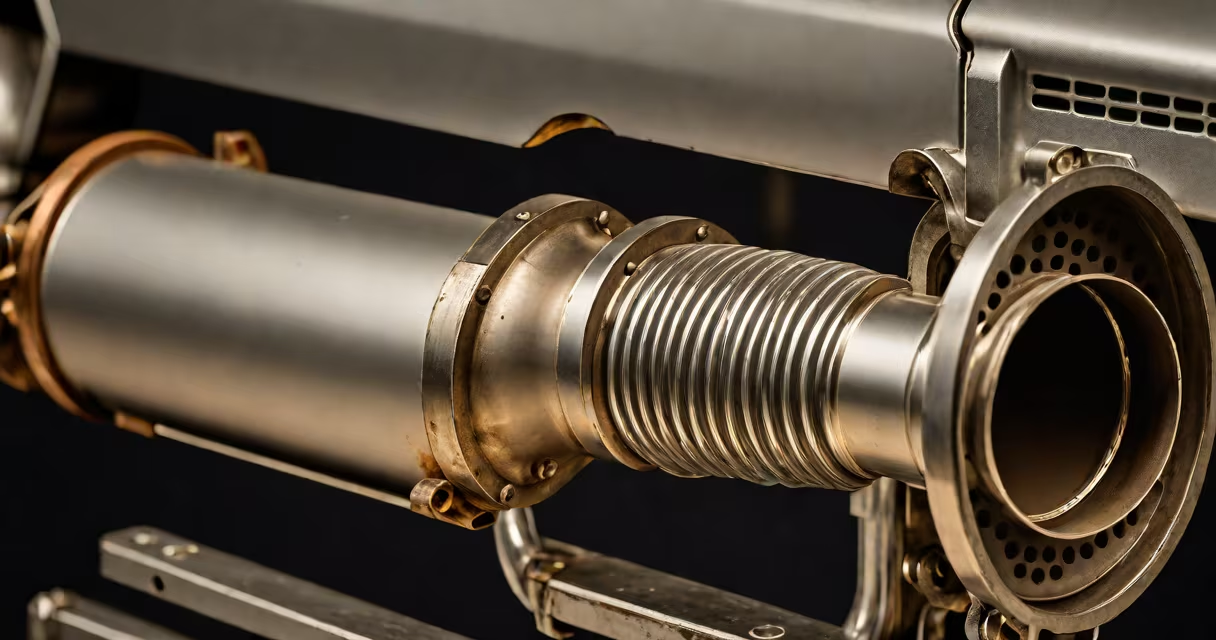
A diesel particulate filter (DPF) is a device installed in the exhaust system of diesel engines to trap and remove soot particles from exhaust gases. It prevents harmful particulate matter from entering the atmosphere, helping vehicles meet emissions regulations.
DPFs work by capturing fine solid particles-primarily carbon-based soot-produced during diesel combustion. These particles are invisible to the naked eye but contribute to air pollution and health risks. The filter traps them until they are burned off through a process called regeneration, which occurs automatically during normal driving.
Without a DPF, diesel vehicles would emit up to 90% more particulate matter. Modern regulations, such as those set by the U.S. Environmental Protection Agency (EPA) and the European Union's Euro 6 standards, require DPFs on most heavy-duty and light-duty diesel vehicles sold since 2005. The filter is essential for compliance with current environmental laws.
The DPF is typically made of ceramic materials like silicon carbide or cordierite. These materials form a porous honeycomb structure with alternating closed channels. Exhaust gas flows through the inlet side, enters the filter's pores, and passes through the walls. Soot particles are trapped on the walls while clean gases exit through the outlet.
As soot builds up, pressure increases across the filter. Once it reaches a threshold-usually around 50 kPa-the system triggers regeneration. This involves raising the exhaust temperature to about 600°C, burning off accumulated soot into carbon dioxide. Regeneration can happen passively during highway driving when exhaust temperatures are high enough, or actively when the engine injects extra fuel to heat the exhaust.
Active regeneration requires the engine to run longer at higher RPMs. If the vehicle is driven mostly in city traffic with frequent stops, passive regeneration may not occur often enough. This leads to clogging, triggering warning lights and reduced performance. Some drivers report a faint burning smell during regeneration-a normal sign the system is working.
There are two primary types of DPFs used in modern vehicles:
| Type | Material | Common Use | Regeneration Method |
|---|---|---|---|
| Wall-flow filter | Silicon carbide or cordierite | Light-duty trucks, passenger cars | Passive and active |
| Monolith filter | Cordierite | Older models, some commercial vehicles | Active only |
Wall-flow filters are the most common. They have a design where flow alternates between open and closed channels, forcing exhaust through the porous walls. Monolith filters are simpler but less efficient and often require more frequent maintenance.
Some newer systems integrate a diesel oxidation catalyst (DOC) upstream of the DPF. The DOC converts nitrogen oxides and unburned hydrocarbons into less harmful compounds and helps lower the temperature needed for regeneration. This improves efficiency and reduces fuel consumption during the cleaning cycle.
Many people assume a DPF fails quickly or needs frequent replacement. In reality, a properly maintained DPF lasts 100,000 miles or more. Failure usually results from poor maintenance, such as using low-quality diesel fuel or driving short trips that prevent regeneration.
Another myth is that DPFs reduce engine power. While clogged filters can cause performance issues, a functioning DPF has minimal impact on horsepower. The EPA reports that modern DPF-equipped engines maintain 95% of their original torque output under normal conditions.
I once observed a 2016 Ford F-250 with a clogged DPF during a roadside inspection. The truck had been driven primarily in stop-and-go city traffic. The DPF warning light was on, and the engine was running rough. After a forced regeneration using diagnostic software, the filter cleared, and performance returned. The issue wasn't the filter itself-it was insufficient highway driving to trigger natural regeneration.
Particulate matter from diesel engines contributes to respiratory illness, cardiovascular disease, and premature death. According to the World Health Organization (WHO), long-term exposure to PM2.5-particles smaller than 2.5 micrometers-increases lung cancer risk by 15%. A DPF reduces PM2.5 emissions by up to 99% compared to older, non-filtered systems.
Urban areas with high diesel traffic-like Los Angeles and London-have seen measurable improvements in air quality since DPF mandates took effect. In London, a 2021 study by King's College London found that diesel vehicle emissions dropped by 68% in central zones after DPF enforcement began.
Failure to maintain a DPF doesn't just harm the environment-it can lead to legal penalties. In California, vehicles failing emissions tests due to DPF issues face fines up to $1,000 and mandatory repairs. The state's Air Resources Board enforces strict monitoring of diesel fleets.
People frequently mistake a DPF for a catalytic converter. Both are exhaust components, but they serve different purposes. A catalytic converter reduces nitrogen oxides and carbon monoxide. A DPF specifically targets particulate matter. Some vehicles have both-catalytic converters handle gaseous pollutants, DPFs handle solids.
Another confusion arises with diesel exhaust fluid (DEF). DEF is a urea-based solution injected into the exhaust stream to reduce NOx emissions via selective catalytic reduction (SCR). It's unrelated to DPF function. Mixing up DEF and DPF maintenance can lead to costly errors-such as adding DEF to a DPF filter, which damages the material.
Even the term "DPF" is sometimes misused. Some mechanics refer to any exhaust filter as a DPF, including oil catch cans or air filters. A true DPF is designed exclusively for soot capture in diesel exhaust streams and must meet ISO 16890 standards for particle retention efficiency.
Understanding what a diesel particulate filter means is key to maintaining modern diesel vehicles. It's not a repairable component in the traditional sense-it's a system that manages its own cleaning through regeneration. When functioning correctly, it reduces harmful emissions and supports cleaner air.
For drivers, regular highway driving helps sustain DPF performance. Avoiding short trips and using high-quality fuel minimize clogging. If the warning light appears, don't ignore it-prolonged neglect can damage the entire exhaust system.
For anyone wondering what does diesel particulate filter mean, the answer lies in its role: trapping invisible soot, enabling compliance with global emission standards, and protecting public health. The technology behind it is precise, durable, and essential to modern transportation.