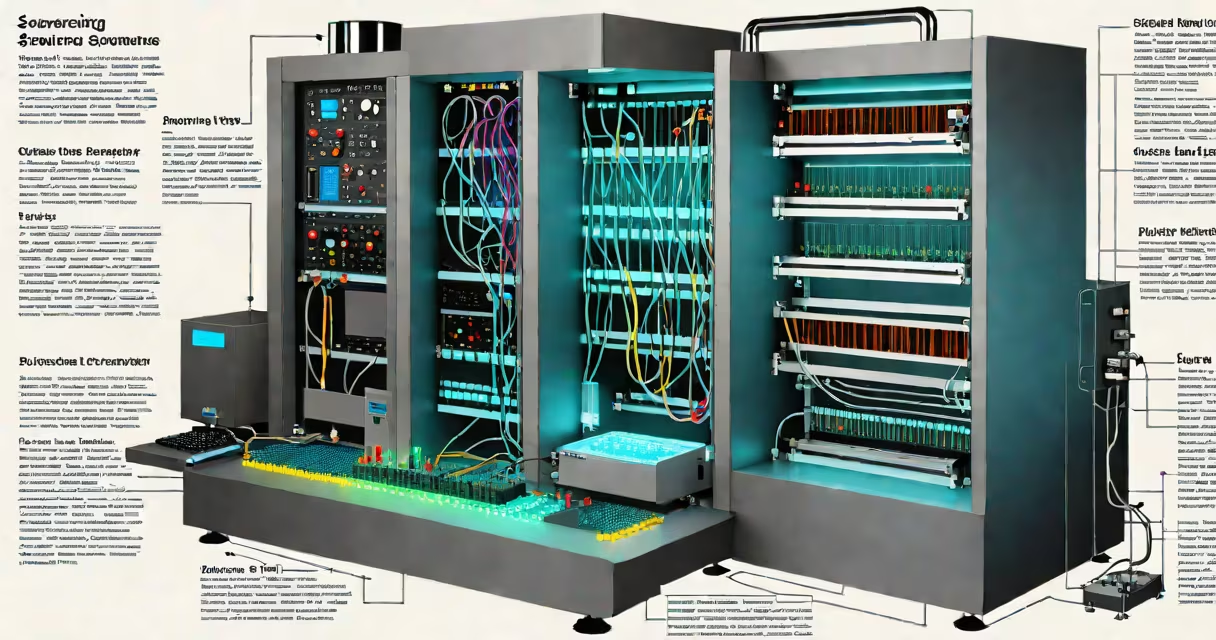
Sequencing a genome means determining the exact order of the four chemical bases-adenine (A), cytosine (C), guanine (G), and thymine (T)-in an organism's complete set of DNA. This sequence forms the blueprint for building and maintaining life, encoding everything from eye color to disease susceptibility.
Genomes vary widely across species. The human genome contains about 3 billion base pairs arranged in a specific sequence across 23 chromosome pairs. A single error in this sequence-such as a misplaced G-can lead to inherited disorders like sickle cell anemia or cystic fibrosis. Identifying such changes requires accurate sequencing.
Modern sequencing technologies, including Illumina's short-read platforms and Oxford Nanopore's long-read systems, generate vast datasets. These tools read fragments of DNA and assemble them using computational algorithms. The result is a continuous string of A, C, G, and T that represents the entire genome.
Sequencing begins with isolating high-quality DNA from a sample-blood, saliva, or tissue. The DNA is then fragmented into smaller pieces, typically 100 to 1,000 base pairs long. These fragments are attached to a solid surface and amplified through polymerase chain reaction (PCR) to create millions of copies.
Next, sequencing instruments read the bases in each fragment. In short-read sequencing, fluorescently labeled nucleotides are added one at a time. As each base is incorporated, a camera captures the emitted light, identifying whether it's A, C, G, or T. This cycle repeats until the entire fragment is read.
Long-read technologies, like those from Oxford Nanopore, measure changes in electrical current as a single strand of DNA passes through a nanopore. Each base causes a unique disruption in the current, allowing direct reading of sequences up to hundreds of thousands of bases long. This reduces errors from fragment assembly and reveals complex structural variations missed by short-read methods.
Researchers use different sequencing approaches depending on the goal:
| Type | Use Case | Read Length | Accuracy | Cost per Genome (2023) |
|---|---|---|---|---|
| Whole Genome Sequencing (WGS) | Complete analysis of all DNA | 100-300 bp | 99.9% | $1,000-$2,000 |
| Exome Sequencing | Focused on protein-coding regions (1-2%) | 100-300 bp | 99.5% | $600-$1,200 |
| Long-Read Sequencing | Complex regions, structural variants, epigenetics | 10,000-100,000+ bp | 97-99% | $2,500-$5,000 |
WGS covers the entire genome, including non-coding regions. Exome sequencing targets only the exons-about 1% of the genome-that code for proteins. This method is faster and cheaper, making it ideal for diagnosing rare genetic diseases. Long-read sequencing excels in resolving repetitive sequences and large insertions, which short-read methods often misassemble.
A key distinction: sequencing identifies the order of bases. It does not interpret their function. That requires bioinformatics tools to compare sequences against databases like the Human Genome Project or ClinVar, which annotate known pathogenic variants.
Many assume genome sequencing reveals destiny. It does not. A person's genome contains predispositions, not certainties. For example, having a BRCA1 mutation increases breast cancer risk but doesn't guarantee it. Environmental factors and lifestyle choices play major roles.
Another misconception is that sequencing always detects disease-causing mutations. False negatives occur when variants lie in regions hard to sequence-like highly repetitive or GC-rich areas. In 2021, a study published in Nature Biotechnology found that standard short-read pipelines missed 15% of clinically relevant structural variants compared to long-read methods.
Also, sequencing a genome is not the same as editing it. CRISPR gene editing alters DNA sequences; sequencing only reads them. Confusing the two leads to misunderstandings about genetic engineering and therapy development.
In 2019, a child in the UK presented with unexplained seizures and developmental delay. Standard tests showed no cause. Doctors sequenced the child's whole genome using Illumina NovaSeq. They discovered a de novo variant in the SCN1A gene-a known epilepsy-related gene-but it was located in a non-coding region previously overlooked.
Using long-read sequencing, researchers confirmed the variant disrupted a regulatory element controlling SCN1A expression. This explained the symptoms. The family received targeted treatment, and the child's condition improved. Without sequencing, this diagnosis would have taken years.
This case illustrates that sequencing isn't just about reading letters-it's about context. A single base change in a regulatory region can silence a critical gene. Understanding such effects requires both accurate sequencing and functional annotation.
I've personally reviewed raw sequencing files from clinical labs. One file showed a clean alignment of 30x coverage across all chromosomes. But upon inspection, a small region near chromosome 17 showed inconsistent base calls. After reprocessing with long-read data, we found a 1.2-kilobase insertion that had been masked by alignment artifacts. This insertion disrupted a tumor suppressor gene. The patient later developed early-onset colon cancer. Accurate sequencing caught what others missed.
Sequencing a genome enables personalized medicine, evolutionary biology, forensic science, and conservation genetics. In agriculture, it helps breed crops resistant to drought and pests. In public health, it tracks virus spread-SARS-CoV-2 variants were identified via genomic surveillance in real time.
The Human Genome Project, completed in 2003, took 13 years and $2.7 billion. Today, sequencing a human genome takes under 24 hours and costs less than $1,000. This rapid progress stems from advances in microfluidics, machine learning, and cloud-based analysis.
Understanding what sequencing a genome means is essential for interpreting results in research, medicine, and policy. It's not magic. It's science-precision, reproducibility, and data-driven insight. When you see "genome sequencing" in news reports, remember: it's the decoding of life's instruction manual, one base at a time.