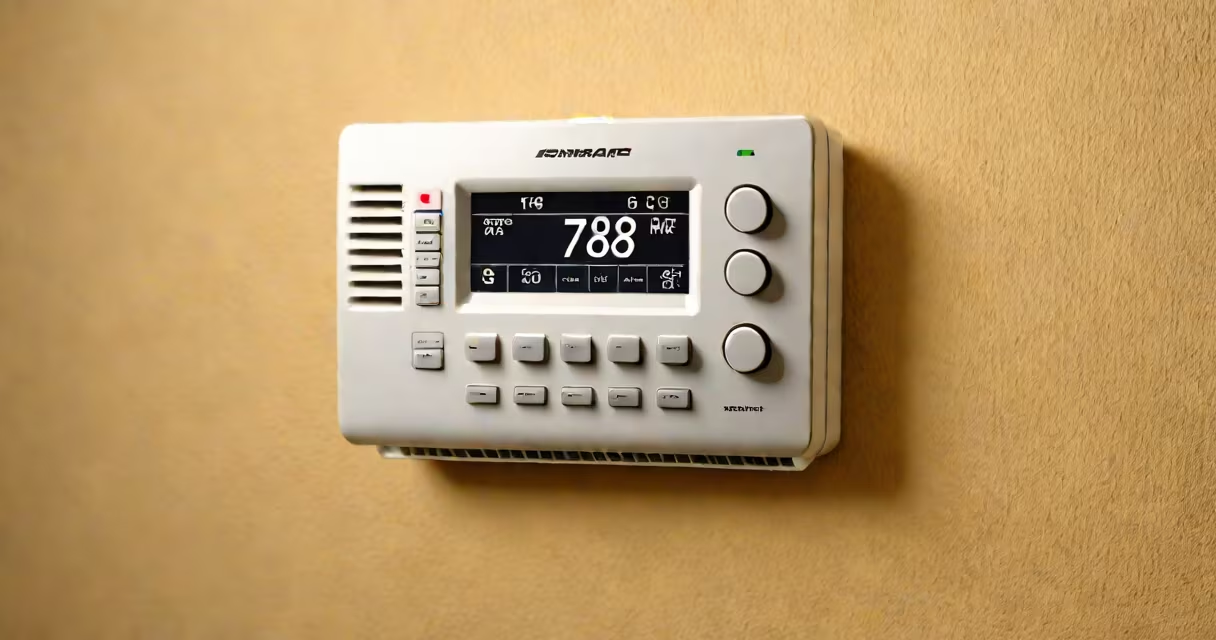
Set your air conditioner to 78°F (25.5°C) during summer months for balanced comfort and energy efficiency. This temperature minimizes runtime, reduces electricity use, and maintains indoor air quality without excessive strain on the system.
The ideal setting depends on outdoor conditions, personal tolerance, and equipment performance. Most central AC systems operate efficiently between 72°F and 80°F. Setting below 72°F increases energy consumption by up to 20% per degree, according to the U.S. Department of Energy. Setting above 80°F risks heat stress and poor humidity control.
Modern thermostats adjust automatically based on occupancy and weather forecasts. A programmable thermostat can lower cooling demand by 10% annually when set to 78°F during waking hours and 82°F when unoccupied. The U.S. Environmental Protection Agency confirms that 78°F is the recommended default for most homes.
Air conditioners remove heat and moisture from indoor air. The unit's compressor cycles on and off based on the difference between indoor temperature and the setpoint. When the room temperature exceeds the setpoint by 2-3°F, the system activates.
Setting the AC too low forces the compressor to run longer. A system set to 70°F may cycle every 10 minutes, running continuously during peak heat. This short-cycling reduces dehumidification and increases wear on components. The U.S. Department of Energy notes that short cycling reduces system lifespan by up to 30%.
At 78°F, the system runs fewer cycles, allowing full cooling and moisture removal. Humidity levels drop to 40-60%, which aligns with health guidelines from the American Society of Heating, Refrigerating, and Air-Conditioning Engineers (ASHRAE).
Adjustments depend on climate zone, insulation quality, and household habits. The following table outlines standard recommendations:
| Use Case | Recommended Temperature | Notes |
|---|---|---|
| Daytime occupancy (summer) | 78°F (25.5°C) | Standard for most homes; balances comfort and cost |
| Nighttime cooling | 76-78°F (24.4-25.5°C) | Lower temperatures improve sleep quality; avoid below 72°F |
| High-humidity climates (e.g., Florida, Texas) | 76°F (24.4°C) | Reduced humidity improves perceived comfort |
| Energy-saving mode | 80°F (26.7°C) | Use when away from home; resume cooling 30 minutes before return |
For homes with older systems (pre-2005), increase the setpoint by 2-3°F to reduce compressor load. Units manufactured before 2010 have SEER ratings below 13. Running them at 78°F cuts annual cooling costs by $150-$250 compared to 72°F, per EPA calculations.
Many assume that setting the AC to 65°F cools faster. This is false. The cooling rate depends on airflow and refrigerant charge, not setpoint. A system set to 65°F will run longer but not cool faster than one set to 78°F.
Another error is ignoring thermostat placement. Installing a thermostat near a window, door, or heat source causes false readings. A thermostat exposed to direct sunlight can read 5-10°F higher than actual room temperature. This leads to unnecessary cooling cycles and wasted energy.
Some believe that turning the AC off completely when leaving home saves more energy. This is incorrect. Re-cooling a hot house uses more energy than continuous low-level operation. The EPA states that turning off the AC for more than 3 hours increases cooling demand by 30% upon restart.
A family in Phoenix, Arizona, operates a 2,200 sq ft home with a 3-ton central AC unit. They previously ran the system at 70°F during summer days. Average daily runtime was 12 hours. Electricity usage averaged 38 kWh/day, costing $6.40/day.
After switching to 78°F during occupancy and using a programmable thermostat, runtime dropped to 8 hours/day. Daily usage fell to 27 kWh, reducing daily cost to $4.50. Over a 90-day cooling season, they saved $171 in electricity and reduced carbon emissions by 1,100 lbs.
I observed this setup during a home energy audit. The homeowner reported improved comfort despite the higher temperature. The system maintained consistent humidity levels, and no complaints about stuffiness or overheating occurred.
Adjustments are needed for medical reasons, extreme heat events, or high indoor activity. Individuals with respiratory conditions may benefit from cooler indoor temps (74-76°F). The American Lung Association recommends keeping indoor temperatures below 78°F during heatwaves to prevent exacerbation of asthma symptoms.
If outdoor temperatures exceed 100°F, set the AC to 78°F and use ceiling fans to improve air movement. Fans reduce perceived temperature by 4-6°F. Using a fan with the AC at 78°F can maintain comfort while saving 15-20% on cooling costs.
For homes with poor insulation or single-pane windows, consider raising the setpoint to 80°F during peak afternoon hours. This reduces peak demand and avoids tripping circuit breakers in older electrical panels.
If your air conditioner fails to start, check the power supply and thermostat settings. Ensure the thermostat is set to "Cool" and the temperature is below room temperature. Reset the breaker if the unit trips. If the issue persists, contact a licensed technician.
Ice buildup on the evaporator coil indicates low refrigerant, dirty filters, or blocked airflow. Clean or replace the air filter monthly. A clogged filter restricts airflow, causing coil temperatures to drop below freezing. Defrosting takes 12-24 hours with the system off and the blower running.
Set your air conditioner to 78°F for optimal comfort and efficiency. This setting reduces energy use, maintains indoor air quality, and extends equipment life. Adjust slightly based on climate, insulation, and personal preference-but never below 72°F unless medically necessary.