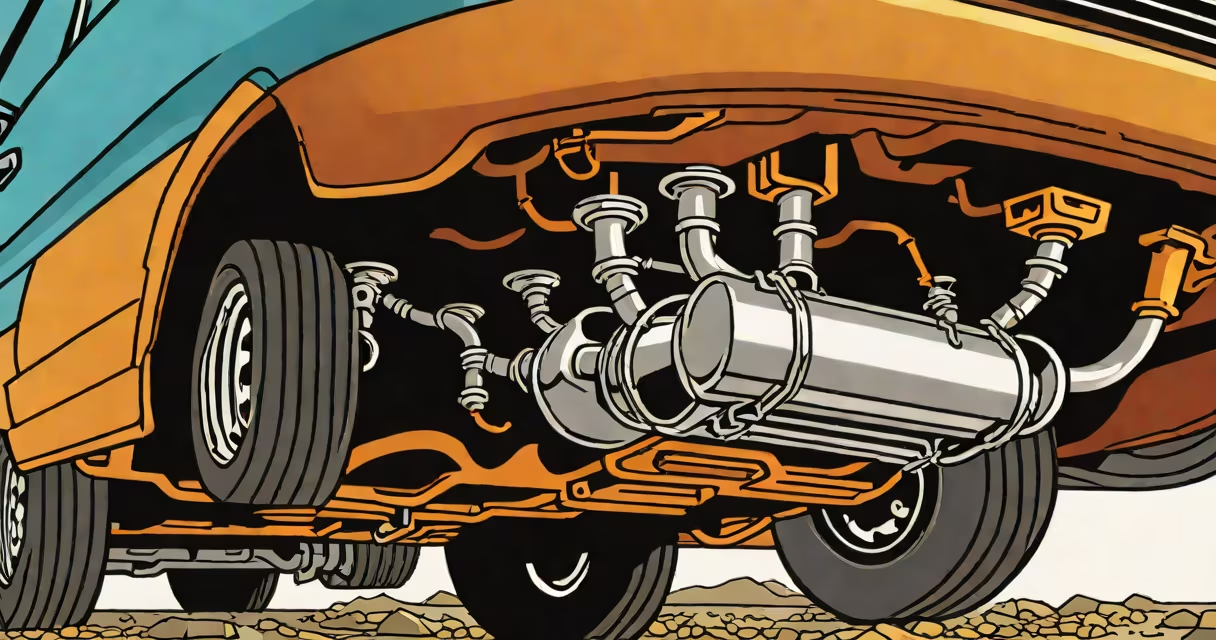
A stopped-up catalytic converter restricts exhaust gas flow, leading to decreased engine performance, higher fuel consumption, and potential damage to the engine or exhaust system. This occurs when internal components degrade, melt, or accumulate debris, blocking the flow path.
Catalytic converters reduce harmful emissions by converting pollutants like carbon monoxide, nitrogen oxides, and hydrocarbons into less toxic substances. When clogged, they fail to perform this function efficiently and create backpressure in the exhaust system. Backpressure forces the engine to work harder, reducing efficiency and power output.
According to the Environmental Protection Agency (EPA), a properly functioning catalytic converter reduces tailpipe emissions by up to 90%. When blocked, this reduction drops, increasing environmental impact and violating emissions standards in most U.S. states.
Exhaust gases exit the engine at high velocity and temperature. They pass through the catalytic converter's honeycomb-like substrate, where catalysts such as platinum, palladium, and rhodium help chemical reactions. Over time, contaminants like oil ash, coolant residue, or unburned fuel can coat or melt the substrate, narrowing passages and restricting flow.
As the blockage worsens, exhaust pressure builds upstream. The engine must overcome this resistance during the exhaust stroke, which reduces cylinder filling efficiency. This leads to misfires, rough idling, and hesitation during acceleration. In severe cases, the engine may stall under load.
Modern vehicles use oxygen sensors before and after the converter to monitor its efficiency. A blocked converter triggers the check engine light when the downstream sensor detects abnormal oxygen levels. The onboard diagnostic system logs trouble codes such as P0420 (catalyst efficiency below threshold) or P0430, indicating a failing converter.
Blockages aren't always due to physical debris. Different root causes lead to distinct failure patterns:
| Type | Common Cause | Resulting Symptoms |
|---|---|---|
| Internal melting | Rich fuel mixture, misfiring spark plugs | Glazed or fused substrate; severe power loss; possible engine fire risk |
| Oil contamination | Worn piston rings or valve seals | White or blue smoke; gradual performance decline |
| Debris accumulation | External intake of dirt or coolant leaks | Gradual restriction; increased backpressure over time |
For example, a 2016 Honda Accord with a persistent misfire due to worn spark plugs experienced a melted catalytic converter after 18 months. The engine ran rich, producing excessive heat that fused the ceramic substrate. Repair required replacing both the spark plugs and the converter.
One non-obvious fact: a partially blocked converter may not trigger a check engine light immediately. Some vehicles tolerate mild restrictions for thousands of miles before the system flags a fault. This delay can allow further damage to the engine or exhaust manifold.
Catalytic converters are mandatory on all gasoline-powered vehicles sold in the United States since 1975. They are installed between the exhaust manifold and muffler, typically located under the vehicle near the firewall.
They are essential for compliance with federal emissions regulations. The EPA mandates that converters maintain efficiency above 80% over 100,000 miles. Failure to meet this standard results in failed emissions tests in most states.
Many drivers overlook the converter until symptoms appear. However, ignoring early signs like reduced acceleration or a sulfur smell (from hydrogen sulfide buildup) increases repair costs. Replacing a converter after engine damage can cost $2,500 or more, compared to $300-$800 for a timely replacement.
Some believe removing the catalytic converter improves performance. While it may slightly reduce backpressure, the trade-off is illegal and dangerous. The EPA prohibits removal except for off-road use. Violators face fines up to $50,000 per violation.
Another misconception is that a blocked converter causes immediate engine failure. In reality, engines often continue running for tens of thousands of miles with reduced output. However, prolonged backpressure can warp exhaust manifolds or damage turbochargers in forced-induction engines.
I once inspected a 2012 Ford F-150 with a clogged converter. The owner reported poor fuel economy and sluggish pickup. After scanning for codes, we found P0420. We confirmed the blockage using a vacuum gauge on the exhaust port-reading dropped from 18 inHg to 4 inHg under load. Replacing the converter restored performance and improved fuel economy by 12%.
Check for symptoms: reduced power, increased fuel consumption, unusual noises (rattling inside the converter), or a burning smell. Use an OBD2 scanner to read live data-look for high exhaust backpressure readings or oxygen sensor anomalies.
If the check engine light is on, retrieve the trouble code. P0420 or P0430 indicates a failing converter. But confirm the issue isn't caused by a faulty oxygen sensor or engine misfire first. A misfire can cause the converter to overheat and fail prematurely.
Replace the converter only after diagnosing the root cause. For example, if oil is entering the combustion chamber, fix the PCV system or replace worn seals before installing a new converter. Otherwise, the new unit will fail again.
Addressing a stopped-up catalytic converter early prevents costly repairs and keeps your vehicle compliant with emissions laws. Regular maintenance of engine components reduces the likelihood of converter failure.