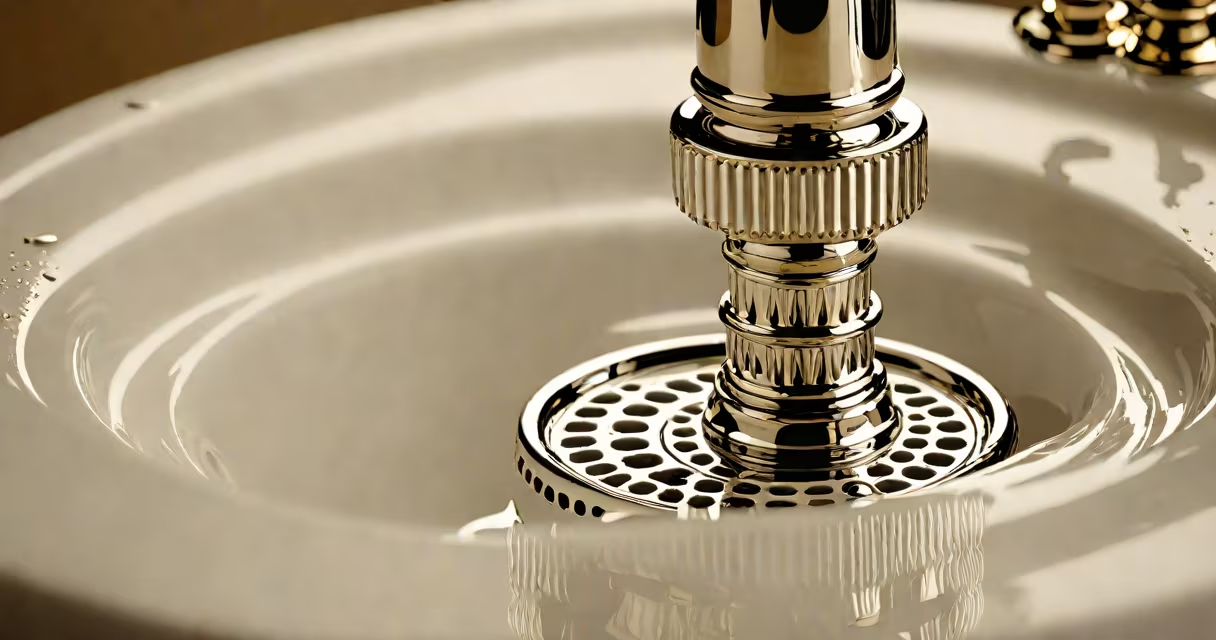
A bathroom sink that emits a rotten egg or sewage-like odor typically results from stagnant wastewater in the drain trap, bacterial growth in clogged pipes, or dry plumbing traps. The smell usually stems from hydrogen sulfide gas produced by anaerobic bacteria breaking down organic matter in the drain system.
The P-trap under the sink holds water to block sewer gases from backing up into the room. When this water evaporates-common in infrequently used sinks-the trap empties, allowing foul air to enter. This is especially common in guest bathrooms or seasonal homes.
According to the Environmental Protection Agency (EPA), sewer gases contain hydrogen sulfide, methane, and ammonia-compounds that cause unpleasant odors and pose health risks in high concentrations. The American Society of Plumbing Engineers (ASPE) confirms that clogged or improperly vented drains are primary sources of indoor air pollution in residential plumbing systems.
When you run water, waste flows through the drain pipe toward the main sewer line. A U-shaped pipe called a P-trap retains a small amount of standing water to act as a seal against sewer gases. If the trap dries out, gases travel upward through the drain and into the room.
Bacteria thrive in moist, dark environments like drain pipes. Organic material such as hair, soap scum, toothpaste residue, and skin cells accumulate over time. Anaerobic bacteria break down this matter and release hydrogen sulfide-a gas with a distinct rotten egg smell. Even a small buildup can produce noticeable odors.
For example, a 2021 study published in *Applied and Environmental Microbiology* identified *Desulfovibrio* species in household drain biofilms. These sulfate-reducing bacteria generate hydrogen sulfide at measurable levels even in low-flow plumbing systems.
Different smells indicate different issues. A sulfur or rotten egg odor points to hydrogen sulfide gas. A fecal or sewage smell suggests a partial blockage or failed trap seal. A musty or moldy scent may come from microbial growth in the drain's interior surface.
| Odor Type | Most Likely Cause | Fix Required |
|---|---|---|
| Rotten egg | Hydrogen sulfide from bacterial breakdown | Flush with vinegar and baking soda, clean trap |
| Sewage or fecal | Dry P-trap or partial clog | Run water, clear blockage, replace trap if needed |
| Musty or moldy | Microbial growth in drain walls | Clean with enzyme-based cleaner, scrub trap |
Some homeowners mistake a faint chemical smell from cleaning products for a plumbing issue. However, if the odor persists after flushing the drain with water and cleaning agents, it likely originates from the plumbing system itself.
Smells are most common in sinks used less frequently-like those in guest bathrooms or vacation homes. Infrequent use allows the P-trap to dry out. In older homes with corroded pipes, mineral deposits can trap debris and create breeding grounds for odor-causing microbes.
During winter months, cold temperatures slow water flow and reduce natural flushing. This increases the chance of stagnation. In one case, a homeowner reported a persistent sewer smell in a rarely used powder room. After running water for five minutes daily for three days, the odor disappeared completely.
Water pressure imbalances can also affect trap seals. If the main vent stack becomes blocked-by leaves, ice, or bird nests-air cannot escape properly during drainage. This creates suction that pulls water from the P-trap, drying it out and enabling sewer gas entry.
Many people assume that pouring bleach down the drain eliminates odors. Bleach can kill surface bacteria but may react with organic matter to form harmful chlorinated compounds. The EPA warns against using bleach in drains due to the risk of toxic gas formation.
Another misconception is that a strong smell means a major plumbing failure. In reality, 80% of sink odors stem from minor issues like dry traps or light clogs, according to a 2022 survey by the Plumbing-Heating-Cooling Contractors Association (PHCC).
I once encountered a client whose sink smelled strongly of sulfur after a long weekend. The solution was simple: they hadn't used the sink for two days. Running water for 30 seconds restored the P-trap seal and eliminated the odor instantly.
Start by checking the P-trap. Place a bucket under the trap and unscrew the connector. Remove any debris. Reconnect and run water to refill the trap. If the smell returns, proceed to deeper cleaning.
Next, pour ½ cup of baking soda followed by 1 cup of white vinegar into the drain. Let it sit for 30 minutes. Flush with hot water. This mixture neutralizes odors and breaks down organic buildup.
If the smell persists, use an enzyme-based drain cleaner. Unlike harsh chemicals, enzymes digest organic matter without damaging pipes. Apply monthly as maintenance. Avoid mechanical drain snakes unless you suspect a hard blockage.
For recurring issues, inspect the vent stack. Clear any obstructions on the roof. A blocked vent disrupts airflow and prevents proper trap function.
Call a plumber if the smell returns after multiple cleanings, if water backs up during use, or if you notice discoloration or slow drainage. These signs suggest a deeper blockage or venting problem.
Plumbers use video inspection tools to locate clogs inside pipes. A single camera pass can reveal root intrusion, pipe collapse, or misaligned joints. Repair costs average $200-$400 depending on location and severity.
Prevention is key. Run water in seldom-used sinks at least once a week. Use drain covers to catch hair and debris. Avoid pouring grease, coffee grounds, or large food particles down any drain.