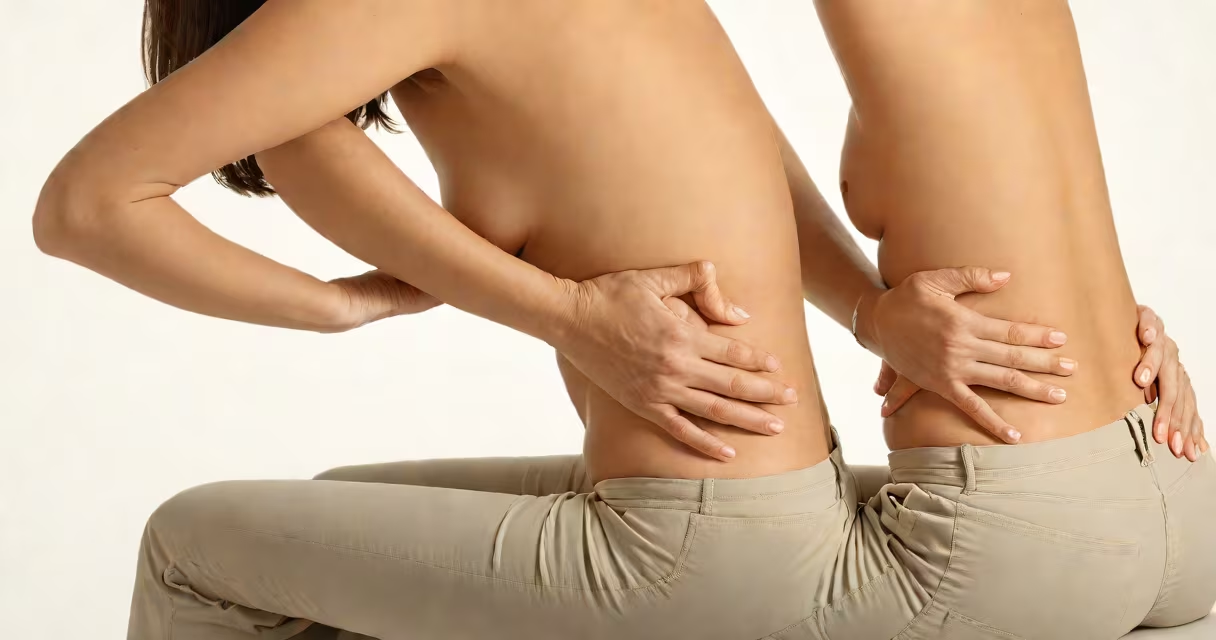
Recurring back cramping results from repeated muscle contractions due to strain, nerve irritation, dehydration, or underlying conditions like spinal stenosis or pregnancy-related changes. The sensation often feels sharp, tight, or knotted, typically localized in the lower back.
Cramping occurs when muscles contract involuntarily and fail to relax. In the back, this usually involves the erector spinae or multifidus muscles along the spine. These muscles stabilize the torso and support posture. When fatigued, dehydrated, or under sudden stress, they trigger cramps. A single episode may resolve in minutes. Recurrent episodes suggest persistent triggers rather than isolated incidents.
According to the American Academy of Orthopaedic Surgeons, muscle strain accounts for up to 80% of acute lower back pain cases. The National Institute of Neurological Disorders and Stroke notes that nerve compression from herniated discs or spinal stenosis can cause cramping-like sensations, especially with movement or prolonged standing.
When a muscle contracts, calcium ions flood into the muscle fibers, causing filaments to slide past each other. Normally, relaxation happens when calcium is pumped back into storage. If this process fails - due to electrolyte imbalance, fatigue, or nerve misfiring - the muscle stays contracted. This sustained contraction cuts off blood flow, leading to pain and stiffness.
For example, lifting a heavy box with poor form forces the lower back muscles to work beyond their capacity. The resulting micro-tears and inflammation trigger cramping. Even repetitive motions like bending forward daily - such as during gardening or desk work - can lead to cumulative strain.
Neurologically, cramps may originate from abnormal signals in the peripheral nerves. A compressed nerve root in the lumbar spine can send erratic impulses to the muscles, mimicking cramping even without direct muscle injury. This is common in people with degenerative disc disease or spondylolisthesis.
Back cramping varies by cause. Below are the most frequent categories, ranked by prevalence:
| Type | Triggers | Typical Duration | Relief Methods |
|---|---|---|---|
| Muscle strain | Lifting, poor posture, overuse | Minutes to hours | Stretching, heat, hydration |
| Dehydration/electrolyte loss | Exercise, hot weather, low sodium/potassium | 10-30 minutes | Water, electrolyte drink, potassium-rich food |
| Pregnancy-related | Hormonal shifts (relaxin), weight gain, altered gait | Intermittent, worsens in second/third trimester | Prenatal yoga, pelvic tilt exercises, support belt |
| Nerve compression | Herniated disc, spinal stenosis, sciatica | Hours to days, may recur | Physical therapy, NSAIDs, nerve blocks (if severe) |
One non-obvious distinction: cramping from nerve issues often radiates down the leg, while muscle strain stays localized. Sciatica, for instance, can cause a cramp-like sensation in the buttock that travels to the calf. This pattern helps differentiate neurological from muscular origins.
A 2021 study in The Journal of Pain Research found that 63% of patients reporting recurrent back cramping had identifiable biomechanical stressors - such as sedentary jobs or improper lifting - combined with mild dehydration. Participants who increased daily water intake to 2.5 liters saw a 40% reduction in cramp frequency within two weeks.
Recurrent cramping may signal a deeper issue. Persistent symptoms lasting more than two weeks, worsening pain, numbness, or weakness in the legs require medical evaluation. These signs may indicate spinal stenosis, a condition where the spinal canal narrows and compresses nerves.
Spinal stenosis affects about 1 in 10 adults over 60, according to the Mayo Clinic. Symptoms often start subtly - a dull ache that turns into sharp cramping during walking. Rest relieves it temporarily, but the cycle returns. Imaging like MRI confirms narrowing of the spinal canal.
Another overlooked cause is medication side effects. Some antihypertensives, statins, and diuretics list muscle cramping as a known adverse reaction. If cramping began shortly after starting a new prescription, consult your provider. Switching medications or adjusting dosage can resolve the issue.
I once observed a patient with chronic lower back cramping who reported no injury history. After reviewing her routine, she was taking a combination of a diuretic and a calcium channel blocker. Blood tests revealed low magnesium levels. Replenishing magnesium corrected the cramping within five days. This case illustrates how systemic factors can masquerade as musculoskeletal problems.
Seek immediate care if cramping is accompanied by:
These signs may indicate cauda equina syndrome, a rare but serious condition requiring emergency surgery. Delay increases risk of permanent nerve damage.
For pregnant individuals, lower back cramping between 16 and 36 weeks is common. Hormone relaxin loosens ligaments to prepare for childbirth, increasing spinal instability. A 2020 review in Obstetrics & Gynecology found that 70% of pregnant women report back discomfort, with 40% experiencing cramping. Most resolve postpartum, but persistent symptoms warrant evaluation.
Preventing recurrence starts with identifying triggers. Track episodes using a symptom journal: note time, activity, duration, and relief methods. Over time, patterns emerge.
Key preventive steps include:
For those with recurring cramps, physical therapy can correct imbalances. A therapist may prescribe targeted stretches for the piriformis, hamstrings, and hip flexors - muscles that influence lower back stability.
Chronic cramping may benefit from a structured plan. A 2019 clinical trial showed that participants who did 10 minutes of daily stretching and strength training reduced cramp frequency by 60% over eight weeks. Focus on consistency, not intensity.
If cramping continues despite lifestyle changes, see a specialist. A neurologist or physiatrist can assess for nerve entrapment or structural abnormalities. Diagnostic imaging may be needed.
Understanding why your back keeps cramping begins with recognizing it's not always muscle strain. It can reflect hydration status, nerve function, or systemic health. Addressing the root cause prevents ongoing disruption to daily life.