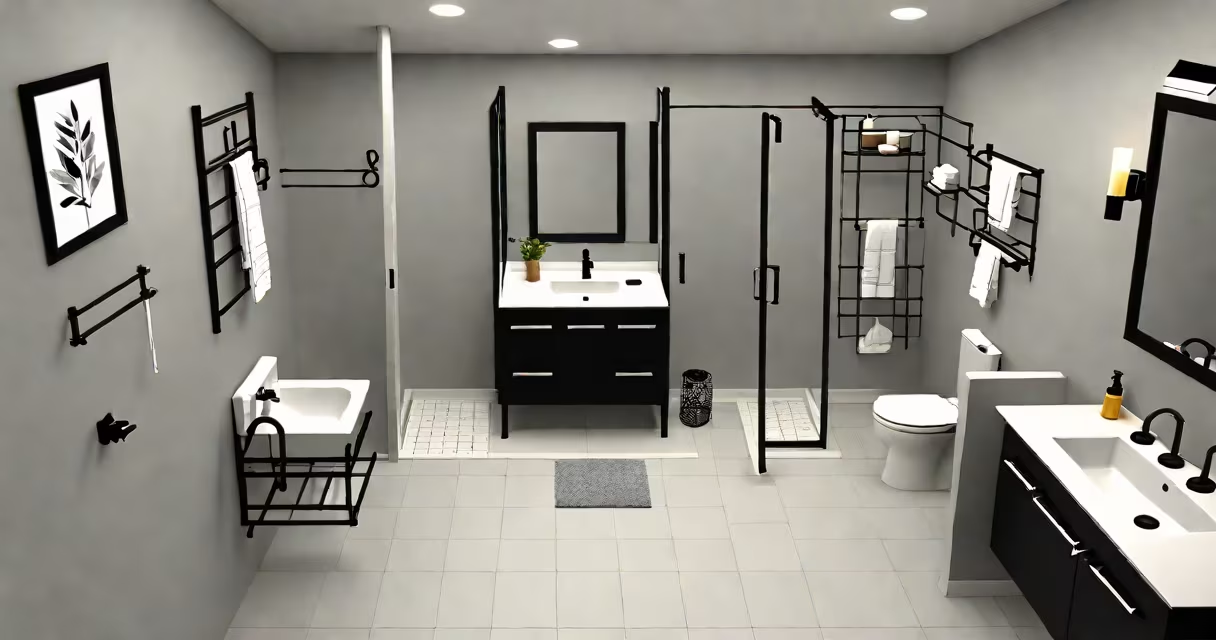
A small bathroom remodel is a targeted renovation of a compact bathroom (typically under 40 square feet) that improves functionality, aesthetics, and resale value through strategic layout changes, space-efficient fixtures, and durable finishes.
These projects focus on maximizing usable space while maintaining comfort and visual appeal. Common upgrades include replacing outdated fixtures, installing new flooring and wall treatments, adding lighting, and optimizing storage-all within tight spatial constraints.
Unlike full bathroom renovations, small bathroom remodels prioritize efficiency and cost-effectiveness. They often require fewer structural changes and can be completed in 1-3 weeks, depending on scope and local permitting requirements.
The core principle is spatial optimization. Designers assess the existing footprint-measuring walls, doors, windows, and plumbing access-to determine viable configurations. The goal is to maintain clear pathways (minimum 30 inches wide), ensure proper clearance around fixtures, and avoid obstructing door swings.
For example, a 5' x 7' bathroom with a standard toilet, sink, and tub can be reconfigured into a walk-in shower with a recessed medicine cabinet and a wall-mounted vanity. This setup reduces visual clutter and frees up floor space.
Plumbing relocation is a key challenge. Moving a toilet or shower drain requires cutting into subfloors and rerouting pipes, which increases labor and material costs. Most remodels keep existing plumbing lines intact to reduce complexity and avoid violating building codes.
Materials and fixtures are selected based on durability, moisture resistance, and low maintenance. Porcelain tiles, quartz countertops, and acrylic bathtubs are standard choices due to their longevity and ease of cleaning.
Fixtures are sized to fit compact areas. Wall-mounted sinks save floor space and allow for easier sweeping. Corner showers with frameless glass enclosures provide a sense of openness without sacrificing privacy. Toilets with elongated bowls offer better comfort in limited space.
| Type | Best For | Typical Size | Cost Range |
|---|---|---|---|
| Corner Shower Only | Minimalist bathrooms, rentals | 36" x 36" | $1,200-$2,500 |
| Shower/Tub Combo | Families, older homes | 30" x 60" | $2,000-$4,000 |
| Walk-In Shower with Bench | Accessibility, spa-like feel | 48" x 60" | $3,500-$6,000 |
Lighting plays a critical role in perception. A single overhead fixture creates shadows and makes ceilings appear lower. Instead, layered lighting-recessed ceiling lights, LED mirror trims, and sconces near the vanity-improves visibility and enhances depth.
Homeowners pursue small bathroom remodels to improve daily usability, improve curb appeal, and boost property value. According to the National Association of Realtors, a well-executed bathroom remodel can return up to 100% of project cost at resale, especially in competitive housing markets.
Many remodels are driven by aging infrastructure. Pipes corrode, grout cracks, and tile deteriorates over time. Replacing these elements prevents water damage and mold growth, which can lead to costly repairs later.
One overlooked benefit is energy efficiency. Newer fixtures use less water-low-flow toilets (1.28 gallons per flush) and aerated showerheads (1.75 gallons per minute) reduce utility bills. The U.S. Environmental Protection Agency estimates that upgrading to WaterSense-labeled products saves households about 20% on water usage annually.
People assume that small spaces must look cramped. This is false. Using light colors, reflective surfaces, and consistent materials creates continuity and expands perceived space. White subway tiles with gray grout, for instance, reflect light and minimize visual division between walls and floor.
Another myth is that remodeling must be expensive. While high-end finishes add luxury, budget-friendly options deliver results. A $500 remodel using peel-and-stick vinyl tiles, a new faucet, and a paint job can refresh a space. The key is prioritizing impact over extravagance.
I once remodeled a 36-square-foot bathroom in a 1950s apartment. The original layout had a bathtub against a narrow wall, blocking the door. I removed the tub, installed a 36" x 36" walk-in shower with a sliding glass door, and replaced the sink with a wall-mounted model. The result was a 20% larger usable area and a modern look that attracted buyers during the listing phase.
Small bathroom remodels are frequently mistaken for bathroom updates or cosmetic refreshes. An update may involve repainting, replacing towels, or changing hardware-changes that don't alter layout or function. A remodel, by contrast, involves structural or mechanical changes that affect how the space is used.
For example, swapping out a cracked sink basin without moving plumbing is an update. Removing the sink and relocating it to a new position with new piping is a remodel. The latter requires permits, inspections, and skilled labor.
Some confuse a small bathroom remodel with a full bathroom renovation. Full renovations typically involve moving walls, adding ventilation systems, or expanding the room. Small bathroom remodels do not require such changes and are usually completed faster and at lower cost.
Small bathroom remodels are practical solutions for improving living conditions in compact homes. They combine thoughtful design, efficient materials, and targeted improvements to create spaces that feel larger, cleaner, and more inviting.
When done correctly, they deliver lasting value. A well-planned remodel doesn't just fix problems-it redefines how a space functions. For homeowners seeking measurable returns and daily comfort, this type of renovation offers a proven path forward.