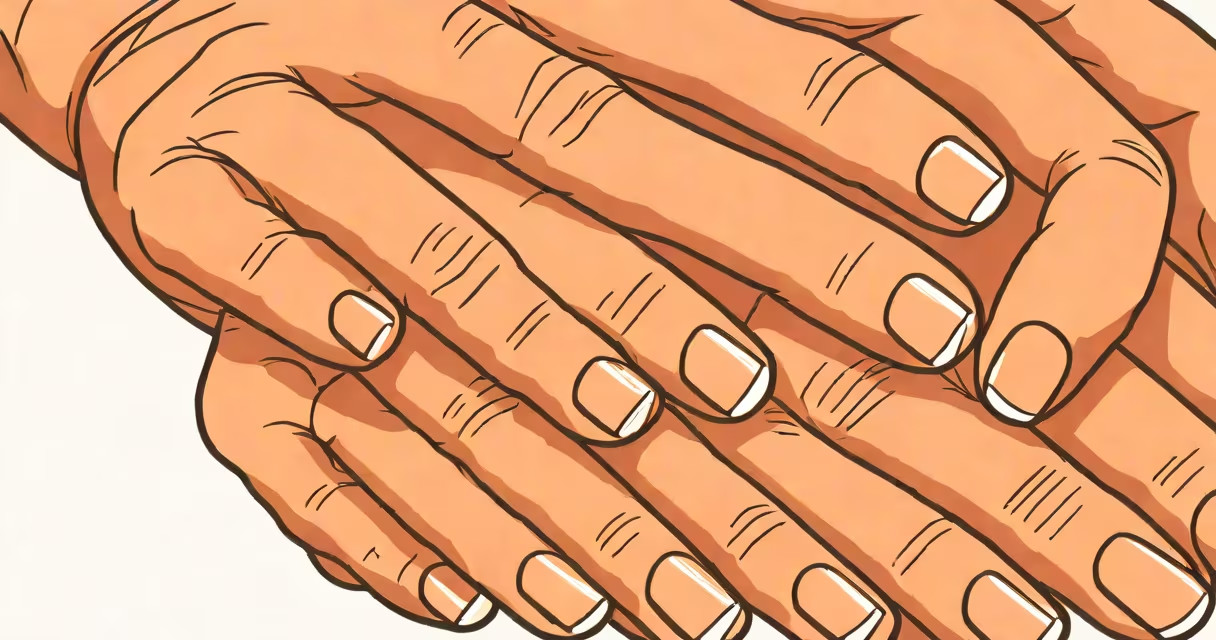
Swelling in the finger joints occurs when fluid accumulates in the tissues around the joints, often due to inflammation, injury, or underlying health conditions. This swelling can appear suddenly or develop gradually over days or weeks.
The most common cause is inflammatory arthritis, particularly rheumatoid arthritis (RA), which attacks the lining of the joints. According to the American College of Rheumatology, RA affects about 1.3 million adults in the U.S., with early signs including tender, swollen joints in the hands and feet. Swelling typically appears symmetrically-both hands affected similarly-and may persist for more than six weeks.
Other frequent causes include osteoarthritis, which results from wear and tear on cartilage, and gout, caused by uric acid crystals building up in the joints. Trauma such as sprains or fractures can also lead to acute swelling. Infections like septic arthritis are less common but require urgent treatment to prevent permanent damage.
Joint swelling happens when blood vessels dilate and leak fluid into surrounding tissues. This process is part of the body's natural immune response to injury or disease. Inflammatory conditions trigger immune cells to release chemicals like cytokines, which increase vascular permeability and draw fluid into the joint space.
For example, in rheumatoid arthritis, autoantibodies attack the synovium-the thin membrane lining the joint. This leads to thickening of the synovium, increased fluid production, and eventual joint damage. The American Academy of Orthopaedic Surgeons notes that untreated RA can cause joint deformity within five years.
Swelling may be accompanied by warmth, redness, stiffness, or pain. These symptoms often worsen in the morning or after periods of inactivity. A person might notice their rings feel tight or struggle to make a fist.
Different conditions affect finger joints in distinct ways. The table below outlines key causes, typical patterns, and diagnostic markers.
| Condition | Typical Pattern | Key Symptoms | Diagnostic Clues |
|---|---|---|---|
| Rheumatoid Arthritis | Symmetric swelling in PIP and MCP joints | Pain lasting >6 weeks, morning stiffness >30 min | Positive RF and anti-CCP antibodies |
| Osteoarthritis | Asymmetric swelling, Heberden's nodes at DIP joints | Stiffness after use, crepitus (grinding) | X-ray shows joint space narrowing, bone spurs |
| Gout | Sudden onset, often in the thumb base or MTP joint | Severe pain, redness, heat; flares last 3-10 days | Uric acid levels >6.8 mg/dL; needle-shaped crystals in fluid |
| Traumatic Injury | Localized swelling after trauma | Pain with movement, bruising, limited range of motion | X-ray may show fracture or dislocation |
One non-obvious distinction: swelling from gout often affects the first metacarpophalangeal (MCP) joint-the base of the thumb-while RA typically targets the middle joints (proximal interphalangeal, or PIP). Misdiagnosis is common because both can mimic each other clinically.
Swelling lasting longer than two weeks, especially with pain or reduced function, warrants evaluation. Red flags include fever, unexplained weight loss, or swelling in multiple joints beyond the hands.
I once observed a patient who delayed seeking care for three months despite worsening finger swelling. By then, X-rays showed significant joint erosion. Early intervention with disease-modifying antirheumatic drugs (DMARDs) can slow progression and preserve mobility.
Consult a healthcare provider if swelling interferes with daily tasks like buttoning clothes, typing, or holding utensils. Blood tests, imaging, and joint fluid analysis help confirm diagnoses. For example, synovial fluid analysis can detect crystals in gout or bacteria in septic arthritis.
Many assume joint swelling is just "aging" or "overuse." While repetitive strain can cause temporary discomfort, persistent swelling indicates pathology. Another misconception is that all swelling requires medication. Some cases improve with rest, cold compresses, and activity modification.
A 52-year-old woman reported bilateral swelling in her PIP joints over four weeks. She had no history of injury. Physical exam revealed tenderness and warmth. Blood work showed elevated erythrocyte sedimentation rate (ESR) and positive anti-CCP antibodies. A diagnosis of early rheumatoid arthritis was confirmed. After starting methotrexate, swelling improved within eight weeks.
This case illustrates that early recognition and treatment prevent irreversible joint damage. Delayed care increases risk of disability. The National Institute of Arthritis and Musculoskeletal and Skin Diseases emphasizes that early treatment reduces long-term complications.
Understanding why your finger joints are swollen begins with recognizing patterns: symmetry, duration, associated symptoms, and triggers. Not all swelling is serious-but persistent or progressive swelling demands attention.
If you're concerned about swollen finger joints, don't wait for symptoms to worsen. Identifying the root cause enables effective management and preserves hand function.