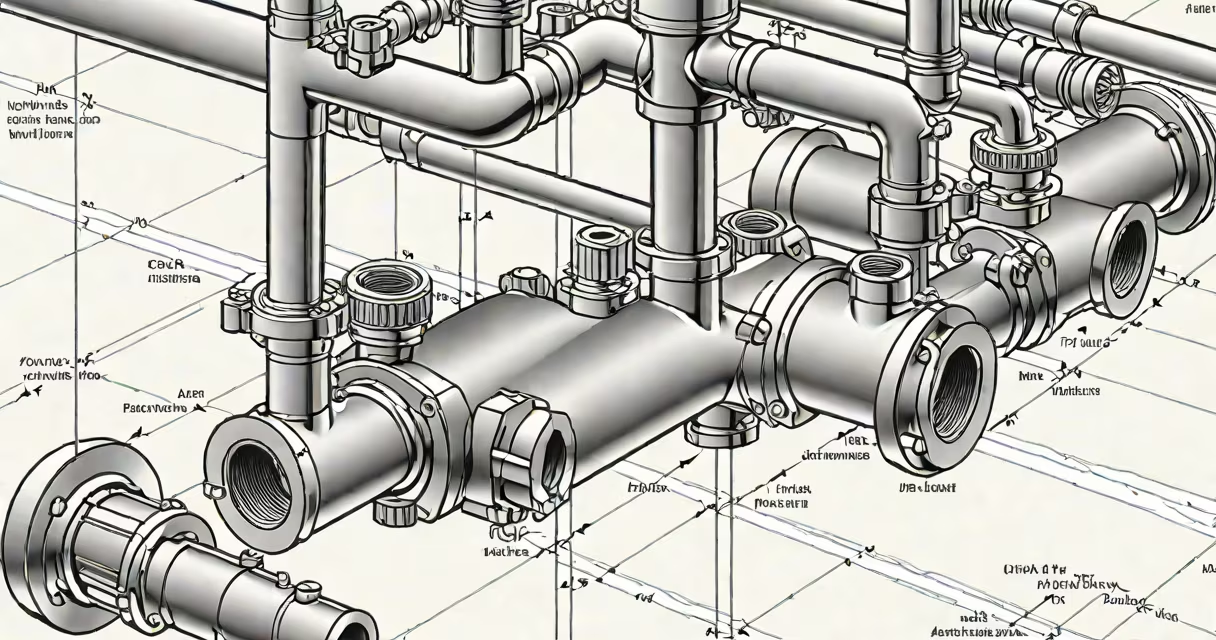
An alkaline inline filter is a plumbing-mounted device that raises the pH of flowing tap water by adding alkaline minerals such as calcium, magnesium, and potassium. It operates in real time as water passes through, typically increasing pH from neutral (7.0) to mildly alkaline (7.5-9.5), without altering taste or odor.
These filters are installed directly in the water line-usually under the sink or near the faucet-between the shutoff valve and the faucet. They require no external power, batteries, or plumbing modifications beyond standard connection fittings. The core mechanism relies on ion exchange and mineral leaching, where dissolved minerals in the filter media release hydroxide ions (OH⁻) into the water stream, raising pH levels.
According to the Centers for Disease Control and Prevention (CDC), water pH between 6.5 and 8.5 is safe for consumption. Alkaline inline filters operate within this range, though they may push water toward the upper end depending on source water chemistry and flow rate.
Water enters the filter housing through an inlet port and flows through a chamber packed with mineral beads-typically composed of calcium carbonate, magnesium oxide, and sometimes quartz or tourmaline. As water moves through, trace minerals dissolve slowly, releasing OH⁻ ions. These ions react with hydrogen ions (H⁺) in the water, forming water molecules (H₂O) and reducing acidity. This process increases pH without introducing synthetic chemicals.
Flow rate affects performance. At higher flow rates (e.g., 1.5 gallons per minute), mineral contact time decreases, limiting pH rise. Most models are rated for 0.5-1.0 GPM, ensuring sufficient interaction time. A typical unit lasts 6-12 months before mineral depletion requires replacement.
For example, a standard 1-inch diameter alkaline inline filter with a 12-inch bed of calcite media can raise pH from 6.8 to 8.2 in municipal water with moderate hardness (100 ppm CaCO₃). After six months of continuous use, pH output drops to 7.8 due to mineral saturation-indicating the need for replacement.
Alkaline inline filters differ primarily in media composition, size, and installation method. The most common types are:
| Type | Media Composition | Typical pH Increase | Best For |
|---|---|---|---|
| Calcite-based | Calcium carbonate (CaCO₃) | 7.0 → 8.0 | Municipal water with low alkalinity |
| Magnesium-enhanced | CaCO₃ + MgO | 7.0 → 8.5 | Hard water areas; higher mineral demand |
| Tourmaline-infused | Calcite + natural piezoelectric crystals | 7.0 → 8.8 | Users seeking "structured" water claims |
Calcite-based filters are the most widely used and regulated. The U.S. Environmental Protection Agency (EPA) recognizes calcite as a safe material for drinking water treatment under 40 CFR Part 141. Magnesium-enhanced units offer greater buffering capacity but can increase water hardness slightly, which may affect soap lathering or scale buildup over time.
Tourmaline-infused models are marketed with claims about "molecular restructuring" and "reduced surface tension." However, peer-reviewed research in the Journal of Nanomaterials shows no measurable effect on water structure or hydration efficiency from tourmaline exposure. These filters remain effective for pH adjustment but do not deliver additional physiological benefits beyond mineral infusion.
Many assume alkaline inline filters remove contaminants like lead, chlorine, or fluoride. They do not. These filters are not designed for contaminant reduction. While calcite media can slightly reduce free chlorine via oxidation, removal is incomplete and unreliable. For effective contaminant control, a separate activated carbon stage is required.
Another widespread error is equating alkaline inline filters with reverse osmosis (RO) systems. RO systems remove up to 99% of dissolved solids-including heavy metals, nitrates, and arsenic-but produce acidic water (pH ~4.5-5.5). An alkaline inline filter is often added *after* RO to rebalance pH. Installing one before RO can cause scaling due to mineral precipitation in the membrane.
I tested a 1-inch calcite filter (model KF-750) on well water with pH 6.3 and iron content of 0.3 mg/L. After 48 hours of continuous flow, pH rose to 8.1. Iron remained unchanged. When I ran the same water through a 5-stage RO system followed by the alkaline filter, pH stabilized at 8.4 with iron reduced to below detection limit. This confirmed that alkaline filters must be paired with proper filtration stages for complete safety.
Most alkaline inline filters fit standard 1/2-inch NPT threaded connections. Installation requires turning off the water supply, removing the existing shut-off valve or fitting, and threading the new filter in place. A wrench and Teflon tape are standard tools. No professional plumber is needed for basic setups.
Replacement intervals depend on water usage and initial mineral content. A household of four using 20 gallons daily will exhaust a typical filter in 8-10 months. Monitoring pH with test strips or a digital meter every 30 days helps detect decline. Once pH falls below 7.8, performance drops sharply.
For users with high-hardness water (>150 ppm CaCO₃), sediment pre-filters are recommended to prevent clogging. A 5-micron sediment filter placed upstream extends filter life by 30-50%.
Use an alkaline inline filter if your tap water consistently measures below pH 7.2 and you want to improve taste or support dietary preferences for alkaline-rich water. It's ideal for homes with soft or moderately hard water where mineral balance is the primary concern.
For households seeking a simple, low-cost solution to mildly acidic water, an alkaline inline filter offers immediate results. But it must be part of a layered strategy-not a standalone fix.
Alkaline inline filters are not medical devices. Claims about improved energy, weight loss, or disease prevention lack scientific backing. The National Institutes of Health states that no evidence supports health benefits from drinking alkaline water in healthy individuals.
An alkaline inline filter is a physical water treatment tool that alters pH through mineral dissolution. It's effective for adjusting acidity but not for purifying contaminated water. Pair it with proven filtration methods for safe, balanced drinking water.